Copyright © 2026 Equity Pro- All Rights Reserved. Designed and Developed By Affluent Group
Table of Contents
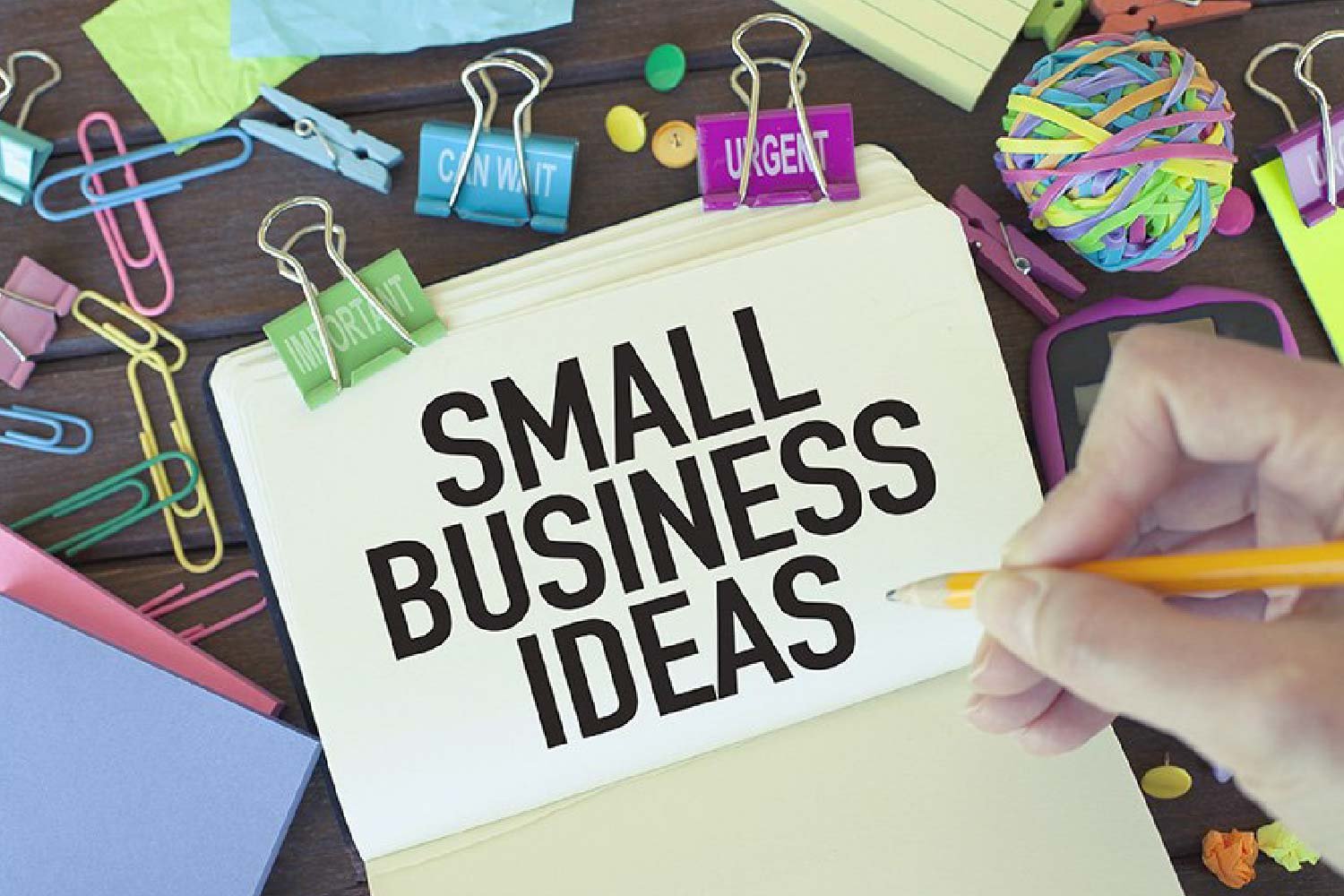
Small business ideas 2027 are likely to look very different from the side hustles that dominated the internet a few years ago.
Small Business Ideas 2027
AI is changing how businesses operate. E-commerce continues to expand. Businesses need help with cybersecurity and digital marketing. Older populations are creating demand for care and support services. Pet owners continue to spend heavily on their animals. And consumers are increasingly comfortable buying products and services online.
But there is an important distinction between a growing market and an easy business.
A market can be growing while individual businesses still fail because of poor pricing, weak marketing, excessive competition or bad cash-flow management.

That is why this list focuses on businesses that have a recognizable customer problem, a practical path to revenue and the potential to start relatively small.
The data also supports several of these trends. U.S. Census Bureau data showed that e-commerce sales reached an estimated US$340.2 billion in Q2 2026, up 12.2% from the same quarter a year earlier. E-commerce represented 17.1% of total U.S. retail sales during the quarter.
At the same time, Census data showed that roughly 17%–20% of U.S. businesses were using AI during the December 2025–May 2026 period, while 20%–23% expected to use AI within the following six months.
Those trends create opportunities—but they do not eliminate the need for good business fundamentals.
Here are 25 small businesses worth considering for 2027.
1. AI Automation Agency
Startup cost: Low
Business model: Monthly retainers or project fees
Small businesses increasingly want to use AI but often do not know how to implement it properly.
That creates an opportunity for an AI automation agency that helps businesses automate repetitive processes.
You could build systems for:
- Customer-service responses
- Appointment scheduling
- Lead qualification
- Email follow-ups
- Internal knowledge bases
- Document processing
- Sales reporting
- Customer onboarding
- Marketing workflows
- Administrative tasks
The important part is not selling “AI.”
Sell the business outcome.
For example, instead of telling a dentist that you provide AI automation, you could offer a system that automatically follows up with appointment inquiries and reduces the amount of manual administrative work.
AI adoption is already significant among small businesses. A 2025 U.S. Chamber report found that 58% of small businesses surveyed said they used generative AI, up from 40% in 2024.
How it makes money
Charge an implementation fee followed by a monthly maintenance or optimization fee.
The major challenge is that generic AI services are becoming crowded. Specializing in one industry can make the business much easier to sell.
2. Website Design and Maintenance
Startup cost: Low
Business model: Project fees + recurring monthly revenue
Website design remains a practical business because businesses do not simply need websites—they need websites that work.
A modern website business can offer:
- Website design
- Website redesign
- WordPress development
- E-commerce stores
- Landing pages
- Website maintenance
- Security updates
- Performance optimization
- Content updates
- Conversion optimization
The recurring revenue opportunity is particularly important.
Instead of making money only when you launch a website, offer monthly maintenance packages.
For example:
Basic: Updates and backups
Professional: Updates + security + performance
Premium: Full website management + content + technical support
The key is to avoid becoming a commodity web designer. Pick a niche such as restaurants, professional services, real estate, medical practices, law firms or e-commerce brands.
3. Short-Form Video Agency
Startup cost: Low to moderate
Business model: Monthly retainers
Businesses need content constantly.
TikTok, Instagram Reels, YouTube Shorts and other short-form formats have created demand for people who can turn raw footage into engaging videos.
A small agency can provide:
- Video editing
- Captions
- Hooks
- Short-form scripts
- Thumbnails
- Motion graphics
- Repurposing long videos
- Social media scheduling
The business becomes more attractive when you sell a monthly content package rather than individual videos.
For example:
20 short videos per month + captions + thumbnails + publishing
The challenge is proving that your content produces business results rather than simply looking good.

4. Local SEO Agency
Startup cost: Low
Business model: Monthly recurring revenue
Local businesses need customers searching for services in their area.
A local SEO agency can help businesses improve their visibility across search engines and local listings.
Services can include:
- Google Business Profile optimization
- Local keyword research
- Website SEO
- Review strategy
- Local content
- Citation management
- Technical SEO
- Local landing pages
Instead of targeting every type of business, specialize.
For example:
“SEO for dental practices.”
or:
“Local SEO for home-service companies.”
Specialization can make your marketing message considerably clearer.
5. Cybersecurity Services for Small Businesses
Startup cost: Moderate
Business model: Monthly subscription or retainer
Cybersecurity is often associated with large corporations, but small businesses also need basic protection.
A small cybersecurity consultancy can focus on practical services such as:
- Multi-factor authentication setup
- Security audits
- Employee security training
- Password-management systems
- Backup configuration
- Software-update management
- Access-control reviews
- Security policies
- Phishing awareness training
The U.S. Small Business Administration has specifically identified cybersecurity as an important small-business concern, including practices such as software updates, network security and multi-factor authentication.
You do not necessarily need to start by offering highly advanced cybersecurity services.
A better entry point may be helping smaller organizations establish basic security systems correctly.
6. Niche E-Commerce Store
Startup cost: Moderate
Business model: Product sales
E-commerce remains one of the most obvious opportunities for entrepreneurs—but the mistake is trying to sell everything.
A better strategy is to build a niche store.
Examples include:
- Premium men’s accessories
- Home organization products
- Travel accessories
- Pet products
- Fitness accessories
- Hobby equipment
- Specialized beauty products
- Home-office products
U.S. Census data shows that e-commerce continues to represent a substantial portion of retail sales, with Q2 2026 online sales reaching US$340.2 billion on a seasonally adjusted basis.
The difficult part is not building the website.
It is acquiring customers profitably.
Your product must have enough margin to cover advertising, payment fees, shipping, returns and customer service.
7. Pet Care Business
Startup cost: Low to moderate
Business model: Service fees + recurring customers
Pet businesses can be attractive because customers often need services repeatedly.
Possible businesses include:
- Dog walking
- Pet sitting
- Pet grooming
- Pet transportation
- Dog training
- Pet waste removal
- Mobile grooming
- Pet photography
The U.S. pet industry reached approximately US$158 billion in 2025, with the American Pet Products Association projecting approximately US$165 billion in spending for 2026.
A local pet service can start with one person and expand by hiring additional workers.
The most valuable customers are often recurring customers rather than one-time buyers.
8. Senior Support Services
Startup cost: Low to moderate
Business model: Hourly or subscription-based services
Population aging is creating long-term demand for businesses serving older adults.
The U.S. Census Bureau projects that people aged 65 and older will represent 23.4% of the U.S. population by 2060, up from 18.9% in 2025. Globally, the share of people aged 65 and older is projected to rise from 10.5% in 2025 to 19.6% in 2060.
You do not necessarily have to provide medical care.
Potential services include:
- Transportation
- Grocery assistance
- Household errands
- Technology assistance
- Companionship
- Appointment coordination
- Home organization
- Non-medical daily support
Where regulated care is involved, appropriate licensing, training and insurance requirements must be followed.
9. Home Cleaning Business
Startup cost: Low
Business model: Recurring service
Cleaning is not glamorous—but that can be part of its appeal.
People and businesses need cleaning regardless of whether the economy is booming.
You could specialize in:
- Residential cleaning
- Office cleaning
- Airbnb cleaning
- Move-in/move-out cleaning
- Deep cleaning
- Post-construction cleaning
- Commercial cleaning
The strongest model is recurring contracts.
Instead of finding a new customer every week, build a customer base that pays weekly, biweekly or monthly.
10. Mobile Car Detailing
Startup cost: Moderate
Business model: Per-service + recurring packages
Mobile car detailing removes one of the biggest inconveniences for customers: having to take their vehicle somewhere.
You go to the customer.
Services can include:
- Exterior detailing
- Interior cleaning
- Paint correction
- Ceramic coatings
- Leather treatment
- Fleet detailing
You can start with one vehicle and gradually add employees.
Recurring fleet contracts can be particularly valuable because businesses with multiple vehicles can create predictable demand.
11. Bookkeeping Service
Startup cost: Low
Business model: Monthly subscription
Many small businesses do not need a full-time accountant, but they do need their financial records organized.
A bookkeeping service can provide:
- Transaction categorization
- Bank reconciliation
- Monthly reports
- Accounts receivable tracking
- Accounts payable tracking
- Payroll support
- Financial reporting
The biggest advantage is recurring revenue.
A business that pays you every month is generally more valuable than one that hires you once.
However, bookkeeping requires accuracy and trust. Depending on the services offered and jurisdiction, certain accounting activities may require professional credentials.
12. Fractional CFO / Financial Management Service
Startup cost: Low
Business model: Monthly retainer
This is a more advanced version of bookkeeping.
Instead of simply recording transactions, you help business owners understand what their numbers mean.
Services might include:
- Cash-flow forecasting
- Budgeting
- Financial dashboards
- Profitability analysis
- Pricing analysis
- Scenario planning
- Management reporting
You need stronger financial expertise for this model, but clients can potentially pay substantially more than they would for basic bookkeeping.
13. Online Education Business
Startup cost: Low
Business model: Courses, memberships and coaching
People continue to pay for knowledge that helps them achieve a specific outcome.
Instead of creating a generic course such as “How to Be Successful,” create something much narrower.
Examples:
- Excel for financial analysts
- Photography for real estate agents
- Social media for restaurants
- Coding for beginners
- AI for small-business owners
- Sales training for freelancers
- Website management for business owners
The strongest educational products solve a specific problem for a specific audience.
14. B2B Lead Generation Agency
Startup cost: Low
Business model: Monthly retainer or performance-based pricing
Businesses will pay for qualified customers.
A lead-generation agency can help companies generate leads through:
- Search advertising
- Social advertising
- Landing pages
- Email marketing
- SEO
- Content marketing
- Outreach
The important distinction is between selling traffic and selling qualified opportunities.
A client does not necessarily care how many clicks you generate.
They care about customers.
That makes tracking lead quality essential.
15. Email Marketing Agency
Startup cost: Low
Business model: Monthly retainer
Email remains useful because businesses own their customer lists rather than depending entirely on social media algorithms.
Services can include:
- Newsletter management
- Automated welcome sequences
- Abandoned-cart emails
- Customer reactivation
- Promotional campaigns
- Segmentation
- Email design
- A/B testing
E-commerce companies can be particularly suitable customers because email can be connected directly to purchases.
16. Social Commerce Management
Startup cost: Low
Business model: Monthly management fees
Many businesses have social accounts but do not operate them as sales channels.
A social-commerce specialist can help with:
- Product videos
- Social storefronts
- Product tagging
- Influencer campaigns
- Live selling
- Social customer service
- Content calendars
- Conversion tracking
The opportunity is strongest when you combine content creation with actual sales optimization.
Simply posting three times a week is becoming less valuable than creating content designed to generate measurable business results.
17. Subscription Box Business
Startup cost: Moderate
Business model: Recurring subscriptions
Subscription businesses can create predictable revenue if customers genuinely value the recurring product.
Potential niches include:
- Specialty coffee
- Pet products
- Beauty products
- Snacks
- Hobby supplies
- Stationery
- Self-care products
- Specialty foods
The challenge is retention.
Getting somebody to subscribe is one thing.
Keeping them subscribed for six or twelve months is much harder.
18. Digital Products Store
Startup cost: Very low
Business model: Digital sales
Digital products can have attractive margins because they do not require physical inventory.
Examples include:
- Templates
- Spreadsheets
- Business documents
- Presentation templates
- Website templates
- Design assets
- Educational guides
- Digital planners
- Industry-specific checklists
The challenge is competition.
A generic digital planner may be difficult to differentiate.
A specialized product such as “Financial Forecasting Spreadsheet for Small Restaurants” has a much clearer customer.
19. Virtual Assistant Agency
Startup cost: Very low
Business model: Monthly retainers
Entrepreneurs often need help with administrative work but cannot justify hiring full-time employees.
A virtual assistant business can provide:
- Email management
- Calendar management
- Research
- Data entry
- Customer support
- Scheduling
- Social media administration
- Administrative assistance
You can begin as a solo freelancer and eventually build an agency by recruiting and managing other assistants.
20. Specialized Recruiting Agency
Startup cost: Low to moderate
Business model: Placement fees or retainers
Companies constantly need qualified employees.
Instead of becoming a general recruitment company, focus on a specific talent market.
Examples:
- Technology
- Healthcare
- Finance
- Sales
- Construction
- Cybersecurity
- Skilled trades
Specialization can make it easier to build a candidate database and become known within a particular industry.
The biggest challenge is building trust with employers and maintaining a strong pipeline of qualified candidates.
21. Home Organization Service
Startup cost: Low
Business model: Hourly or project-based fees
People accumulate possessions, move homes, renovate spaces and increasingly work from home.
A professional organization service can help with:
- Closets
- Kitchens
- Garages
- Home offices
- Storage rooms
- Moving preparation
- Downsizing
You can also generate additional revenue by selling organizational products or partnering with moving and cleaning companies.
22. Property Maintenance Business
Startup cost: Moderate
Business model: Recurring contracts
Property owners constantly need maintenance.
Depending on local regulations and your qualifications, services can include:
- Landscaping
- Lawn care
- Pressure washing
- Minor repairs
- Painting
- Gutter cleaning
- Pool maintenance
- Property inspections
The best opportunity may not be individual homeowners.
Property managers, landlords and commercial property owners can provide recurring contracts covering multiple properties.
23. Corporate Retreat and Event Planning
Startup cost: Low to moderate
Business model: Planning fees + supplier commissions
Companies continue to organize meetings, conferences, retreats and employee events.
A specialized event-planning company can handle:
- Venue sourcing
- Accommodation
- Transportation
- Catering coordination
- Entertainment
- Event technology
- Scheduling
- Vendor management
You do not necessarily need to own venues or equipment.
Your value comes from coordinating the complicated parts.
24. Travel Planning and Concierge Business
Startup cost: Low
Business model: Planning fees, memberships or commissions
Travel has become increasingly personalized.
Instead of competing directly with large booking platforms, a small travel business can specialize.
For example:
- Luxury travel
- Family vacations
- Adventure travel
- Corporate travel
- Honeymoons
- Destination weddings
- Wellness travel
- Food-focused travel
The opportunity is not simply booking flights and hotels.
It is saving customers time and creating an itinerary they would struggle to build themselves.
25. Niche Consulting Business
Startup cost: Very low
Business model: Consulting fees + retainers
If you have significant experience in a particular industry, consulting can be one of the simplest businesses to start.
Potential areas include:
- Sales
- Marketing
- Operations
- Human resources
- E-commerce
- Technology
- Financial management
- Procurement
- Customer experience
- Business strategy
The key is specialization.
“Business consultant” is vague.
“E-commerce conversion consultant for fashion brands” immediately communicates a specific problem and customer.
Which Small Business Ideas Are Most Realistic for Beginners?
Not every idea on this list requires the same amount of money, expertise or risk.
A useful way to think about them is by business model.
If you have very little startup capital
Consider:
- Virtual assistant services
- Digital products
- Niche consulting
- Social media management
- Email marketing
- Local SEO
- Online education
These businesses can often be started with a computer, internet connection and a marketable skill.
If you want recurring monthly revenue
Consider:
- Website maintenance
- Bookkeeping
- AI automation
- Cybersecurity services
- Cleaning
- Property maintenance
- Social media management
- Virtual assistant services
Recurring revenue can make cash flow more predictable, although retaining customers still requires delivering consistent value.
If you prefer physical businesses
Consider:
- Mobile car detailing
- Cleaning
- Pet care
- Property maintenance
- Senior support
- Home organization
- Specialized retail
These businesses are less dependent on building an online audience.
If you want an online business
Consider:
- Niche e-commerce
- Digital products
- Online education
- AI automation
- Lead generation
- Website services
- Email marketing
- Consulting
What Makes a Small Business Actually Profitable?
The biggest mistake new entrepreneurs make is choosing a business because it sounds exciting.
A profitable business generally needs four things:
1. A Real Customer Problem
Ask:
What problem am I solving?
If the answer is unclear, the business probably needs more work.
People pay for solutions to problems, not simply for products or services.
2. Customers Who Can Afford the Solution
A huge market does not automatically mean a profitable market.
You need customers who:
- Have the problem
- Recognize the problem
- Want the problem solved
- Can afford your solution
This is why niche B2B services can sometimes work with fewer customers than mass-market businesses.
3. Healthy Unit Economics
Before launching, calculate:
Revenue per customer − cost of serving customer = gross contribution
Then consider:
- Advertising
- Software
- Employees
- Taxes
- Rent
- Insurance
- Payment processing
- Returns
- Transportation
- Customer support
A business that generates US$100,000 in sales but spends US$95,000 delivering those sales does not have the same economics as a business generating US$70,000 with substantially lower costs.
4. A Repeatable Way to Find Customers
A great business with no customer-acquisition strategy is still a problem.
Before launching, identify exactly where your first customers will come from.
Potential channels include:
- Google Search
- Social media
- Referrals
- Cold outreach
- Partnerships
- Local networking
- Paid advertising
- Marketplaces
- Existing communities
- Content marketing
The U.S. Small Business Administration recommends researching demand, market size, competition, pricing and customer characteristics before launching.
That basic research can prevent an expensive mistake: building something that people do not actually want.
Don’t Start With the Business Name. Start With the Customer.
A common entrepreneurial mistake is spending weeks choosing a logo, domain name and business name before finding a paying customer.
Reverse the process.
Start with:
Customer → Problem → Offer → Price → Sales Channel → Delivery → Repeat Purchase
Only then worry about branding.
For example:
Instead of:
“I want to start an AI business.”
Try:
“I want to help dental clinics automatically follow up with website leads.”
The second statement gives you a customer, problem and potential product.
That is a business.
How Much Money Do You Really Need?
There is no universal startup amount.
A digital consulting business might begin with a few hundred dollars, while a physical business may require thousands or tens of thousands of dollars.
The important thing is to separate essential startup costs from nice-to-have expenses.
Essential expenses might include:
- Equipment
- Software
- Business registration
- Insurance
- Initial inventory
- Website
- Marketing
- Transportation
Avoid spending heavily on offices, expensive branding, large inventories or sophisticated software before proving demand.
The SBA specifically recommends calculating startup costs and researching the market before launching.
What About AI? Will AI Kill These Businesses?
AI will eliminate or reduce some tasks.
That does not mean every business opportunity disappears.
In many cases, AI changes how the business operates rather than eliminating the customer problem.
For example:
A marketing agency can use AI to produce first drafts faster.
A bookkeeping firm can automate data processing.
A website agency can use AI to accelerate development.
A travel consultant can use AI to research options faster.
A virtual assistant can automate repetitive administrative tasks.
The entrepreneur who learns to use AI effectively may therefore have lower operating costs and faster delivery.
The latest Census data also shows that AI adoption varies substantially by business size and industry, meaning there is still room for businesses that help organizations implement technology effectively.
The 2027 Small Business Opportunity Is Not “Easy Money”
There is no legitimate list of 25 businesses where every idea will automatically make money.
A good business idea can still fail.
You can lose money because:
- Nobody wants the product
- Your pricing is wrong
- Customer acquisition is too expensive
- Competitors are stronger
- You run out of cash
- Your margins are too low
- Customers do not return
- You expand too quickly
- You do not understand the industry
The goal should therefore not be to find a magical business.
The goal is to find a real problem that you can solve better, faster or more conveniently than existing alternatives.
A Simple 30-Day Test Before Investing Heavily
If you are considering one of these businesses, do not immediately spend thousands of dollars.
Run a small experiment.
Week 1: Pick a niche
Choose one customer group.
For example:
Independent fitness studios.
Week 2: Identify one painful problem
For example:
They lose potential customers because they respond slowly to inquiries.
Week 3: Create one offer
For example:
“We build an automated lead-follow-up system that responds to new inquiries and schedules consultations.”
Week 4: Try to sell it
Contact potential customers.
Talk to them.
Ask what they currently do.
Offer a pilot.
If nobody is interested, that is useful information.
Change the offer before spending more money.
Final Thoughts
The best small business ideas 2027 will not necessarily be the newest or most exciting ideas.
Many of the strongest opportunities are built around problems that already exist.
Businesses still need customers.
Customers still need products.
Homes still need maintenance.
Pets still need care.
Older adults still need support.
Companies still need websites, financial management, security and technology.
And entrepreneurs still need effective ways to reach customers.
The major change is that technology—particularly AI—is making it possible for very small teams to perform work that previously required much larger operations.
That creates an opportunity for entrepreneurs who combine technology with something machines cannot easily replace: understanding a specific customer and solving a specific problem.
If you are choosing a business for 2027, don’t ask only:
“What business is trending?”
Ask:
“Who has a problem, how much is that problem worth solving, and can I build a profitable system around solving it?”
That question is much more likely to lead to a real business.
External Sources
- U.S. Census Bureau — Quarterly Retail E-Commerce Sales
- U.S. Census Bureau — AI Use by U.S. Businesses
- U.S. Census Bureau — Global Older Adult Population Projections
- U.S. Chamber of Commerce — Small Business Index Q2 2026
- U.S. Small Business Administration — Plan Your Business
- U.S. Small Business Administration — Small Business Trends
- American Pet Products Association — Pet Industry Statistics